The future of mining safety involves transforming fragmented controls into intelligent systems

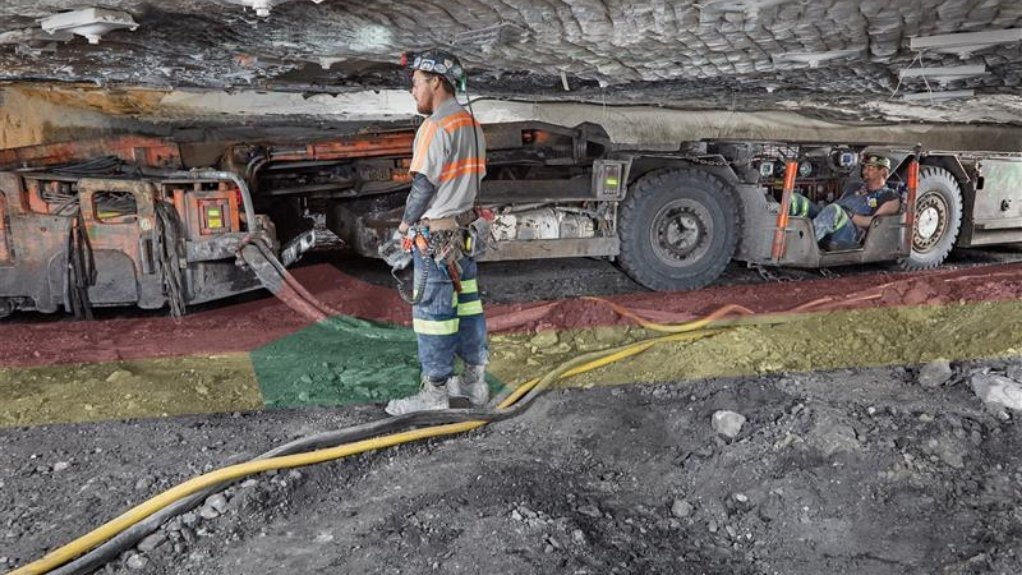
INTEGRATION IS INTEGRAL The future of mining safety will not hinge on a single device but on how effectively systems work together


Mining safety in South Africa has improved significantly over the past decade through better equipment, improved safety frameworks and cultures combined with enhanced risk management approaches. Serious incidents still occur, often in complex environments where traditional controls struggle to keep pace. As operations become more mechanised and data-driven, continuous safety improvements increasingly depend on greater coordination and connectivity across systems. The next step is integration: intelligent systems that connect people, machines, data and processes.
Intelligent business solutions provider Matrix Design Africa highlights that safety technologies, such as proximity detection, cameras, access controls and personal protective equipment (PPE) programmes have historically operated in isolation. While each plays a role, fragmentation leaves gaps, particularly in shared workspaces where people, vehicles and machinery operate simultaneously. The challenge is not a lack of technology but how effectively it is structured, integrated and applied at scale.
This shift strengthens how safety outcomes are achieved. It is increasingly a systems engineering challenge, requiring real-time awareness, contextual understanding and consistency across sites and fleets. Matrix is helping mines to achieve this shift by delivering integrated safety solutions that combine machine-level intelligence with enterprise-level insight.
Structured Proximity as a Foundation
Proximity detection remains essential, particularly in low-visibility or high-traffic areas. Basic distance-based alerts often create excessive false alarms, leading to operator fatigue and reduced trust, explains Matrix.
“Our structured approach uses defined zones and operational logic, reflecting how a site functions. Zone-based systems differentiate between controlled interactions and genuine hazards, reinforcing rules without overwhelming workers. When integrated into a broader safety framework, proximity becomes foundational for managing risk at the point of interaction. Matrix’s proximity solutions are designed to deliver consistency across multiple sites and asset classes.”
Adding Context Through Perception and AI
Proximity detection alerts to where risk exists but not why. Vision-based systems and AI now add perception to safety strategies. Machine vision can identify people, vehicles and behaviours in complex environments, providing context that traditional sensors cannot. This evolution from detection to perception enhances operator situational awareness at the point of decision.
By recognising unsafe interactions earlier, Matrix explains that these systems enable timely interventions and reduce reliance on reaction time alone. These insights enhance safety around mobile equipment interactions while reducing nuisance trips and unnecessary production interruptions
“While predictive safety remains a long-term goal, current applications focus on visibility and consistency, laying the groundwork for more adaptive systems over time. Matrix integrates vision and AI into its safety architecture, helping mines move toward intelligent, perception-driven systems that improve both compliance and productivity,” says the company.
Elevating Safety Beyond the Machine
As technologies mature, their value depends on integration. Data generated at the machine level is most effective when it informs decisions at the management level. Enterprise platforms consolidate safety data with production, maintenance and workforce metrics, enabling leaders to move beyond lagging indicators and identify where risk is concentrated, how it evolves and which interventions deliver impact.
Digital PPE management strengthens this architecture by addressing risk at the workforce level. By providing real-time visibility into PPE availability, readiness and use, digital PPE systems help ensure people are protected before exposure occurs. When integrated with enterprise platforms, PPE data becomes part of a broader safety context – supporting accountability, proactive risk management and continuous improvement as part of everyday operations, rather than stand-alone compliance, elaborates Matrix.
“Matrix’s PPE2Go platform exemplifies this integrated approach. By digitising PPE management and connecting it with enterprise systems such as Delta enterprise resource planning, Matrix enables mines to replace fragmented manual processes with real-time operational visibility. This embeds PPE readiness into the workflow, reducing administrative friction while reinforcing consistent, system-level safety performance across sites.”
A Global Shift in Safety Leadership
Across the mining industry, expectations are rising. Investors, communities and regulators demand evidence that safety is embedded, not treated as an afterthought. Intelligent, integrated systems are becoming essential for meeting these expectations while supporting sustainability, workforce stability and productivity.
“Matrix is at the forefront of this global shift, providing solutions that help South African mines align with international best practices while meeting local regulatory requirements under evolving codes of practice,” advances the company.
The future of mining safety will not hinge on a single device but on how effectively systems work together, combining structured controls, perception-driven awareness and enterprise-level insight.
Matrix emphasises that the most successful operations will design safety architectures that evolve alongside their mines, moving beyond reactive measures toward intelligent, integrated solutions that protect people and performance.
“Matrix provides the technology and expertise to make this vision a reality,” concludes the company.
Article Enquiry
Email Article
Save Article
Feedback
To advertise email advertising@creamermedia.co.za or click here


Latest Multimedia
Latest News
Showroom
For over 15 years, Lilak Aluminium, a trusted leader in architectural extrusion supply, has delivered excellence to businesses like yours.
VISIT SHOWROOM
The Aluminium Federation of South Africa (AFSA), is the voice of the South African aluminium industry.
VISIT SHOWROOM


Announcements
What's On
Subscribe to improve your user experience...
Option 1 (equivalent of R125 a month):
Receive a weekly copy of Creamer Media's Engineering News & Mining Weekly magazine
(print copy for those in South Africa and e-magazine for those outside of South Africa)
Receive daily email newsletters
Access to full search results
Access archive of magazine back copies
Access to Projects in Progress
Access to ONE Research Report of your choice in PDF format
Option 2 (equivalent of R375 a month):
All benefits from Option 1
PLUS
Access to Creamer Media's Research Channel Africa for ALL Research Reports, in PDF format, on various industrial and mining sectors
including Electricity; Water; Energy Transition; Hydrogen; Roads, Rail and Ports; Coal; Gold; Platinum; Battery Metals; etc.
Already a subscriber?
Forgotten your password?
Receive weekly copy of Creamer Media's Engineering News & Mining Weekly magazine (print copy for those in South Africa and e-magazine for those outside of South Africa)
➕
Recieve daily email newsletters
➕
Access to full search results
➕
Access archive of magazine back copies
➕
Access to Projects in Progress
➕
Access to ONE Research Report of your choice in PDF format
RESEARCH CHANNEL AFRICA
R4500 (equivalent of R375 a month)
SUBSCRIBEAll benefits from Option 1
➕
Access to Creamer Media's Research Channel Africa for ALL Research Reports on various industrial and mining sectors, in PDF format, including on:
Electricity
➕
Water
➕
Energy Transition
➕
Hydrogen
➕
Roads, Rail and Ports
➕
Coal
➕
Gold
➕
Platinum
➕
Battery Metals
➕
etc.
Receive all benefits from Option 1 or Option 2 delivered to numerous people at your company
➕
Multiple User names and Passwords for simultaneous log-ins
➕
Intranet integration access to all in your organisation